

Saks Global, Big Lots, Eddie Bauer: that’s just the short list of national retailers that ended up in Chapter 11 bankruptcy court over the past year or two with some coming out under new ownership and with reduced store fleets and others simply being liquidated.
Now the Retail Dive newsletter, using an analysis of Moody’s, Fitch and other financial service agency reports, has identified the candidates most likely to join them over the course of 2026. And even though so many big retail names have gone through this process, there’s still a surprisingly large number of brands that remain vulnerable.
“The defaults in the retail sector remain elevated and our list of at-risk retailers is as long today as it was last year,” Raya Sokolyanska, vice president of corporate finance at Moody’s Ratings, said, citing a full year of tariff turmoil on top of several years of lackluster business conditions as reasons for the forecast.
Not ranked within this group, but here are the retailers Retail Dive is keeping an especially close eye on:
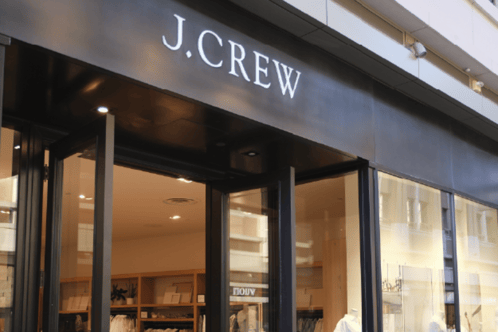
1. J. Crew Group
The apparel specialty chain has already been in chapter 11 in 2020, getting new ownership and a new strategy but apparently its core problems remain.
“Internally generated cash from operations has been insufficient to fund company’s store growth, which we view as unsustainable in the longer term and could limit the company’s ability to navigate challenges,” the analysts wrote.
2. Torrid
Retail Dive reported that the plus-size retailer has been battling sales declines, merchandising mishaps and tariff woes, among other challenges in recent years. The retailer laid off 5 percent of its headquarters staff in 2023 as part of a cost-saving initiative and last year announced it would close up to 180 stores in 2025.
Its most recent quarterly sales fell 10.8 percent as its losses expanded to $6.4 million.
The report also cited the impact of the new weight-reduction drugs increasing in usage and potentially reducing demand for large size clothing.
3. QVC Group
The TV and online shopping retailer “has the highest amount of outstanding rated debt on Moody’s list and has significantly elevated default risk.” Retail Dive wrote that it “has struggled to maintain relevance for years,” even as it has tried more recently with live streaming and other platforms similar to Tik Tok and others. Those initiatives sill represent less than 10 percent of total QVC sales.
4. Gabe’s
Off-pricer Gabe’s restructured its balance sheet last year, reducing debt and bringing in capital from a group of new owners. While that helped it evade bankruptcy and continue planning for expansion ahead under a group of lenders, S&P in November said the capital structure of Gabe’s parent company remained unsustainable and it could “envision default scenarios over the next 12 months due to liquidity constraints.”
5. Rugs USA
“In our view, ongoing weak consumer demand, uncertainties related to its supply chain and elevated competition will pose significant risks to the company’s turnaround efforts,” Moody’s was quoted as reporting. In the meantime its debt structure, while recently reduced, still remains at an elevated level.
All of the companies cited were contacted for comment and either didn’t respond or chose not to comment.